



What are dynamics in music? Dynamics refer to changes in volume and or tone. They can fill a piece of music with emotion and meaning. Dynamics are generally marked with a combination of symbols and words or abbreviations. We often use Italian words for dynamics and musical terms. Skoove is here to walk you through how to read and interpret these exciting musical symbols. Let’s explore some of the basic dynamic markings and take a look at some examples of dynamics in sheet music.
What are dynamics in music?
Dynamics are any number of symbols or markings that communicate dynamic changes in a piece of music. Be aware, dynamics are not the same as tempo markings.
What are dynamics used for in music? Some dynamics dictate set volumes. Other dynamic markings, like a crescendo, indicate when a section of music should be getting louder. Other dynamics, like diminuendo, indicate when a section should be getting quieter. All these performance directions give a piece of music more detail and allow performers to understand what a composer wants in terms of volume.
Dynamics abbreviations
Static dynamic markings are generally used to set the volume level of music. We usually use Italian terms for these dynamics, which is a bit of a remnant of the influences of Italian composers in music. You can learn more about this and other topics with online piano lessons from Skoove. Let’s take a look at some of the most common dynamic markings you will come across in music.
Piano

The dynamic of piano (p) means quiet. Anytime you see the dynamic marking piano (p), you should be playing a soft volume and touch.
Mezzo piano

One step up in volume from piano is the dynamic mezzo piano. Mezzo piano means moderately quiet. Its abbreviation is mp.
Mezzo forte

Mezzo forte means moderately loud. It is a medium volume musical marking. It is not exactly quiet, but not exactly loud either.
Forte

Forte (f) means loud and forceful. In music theory, the dynamics of forte are used for passages that should be played loud and strong.
Pianissimo and fortissimo
There exist some dynamics on the outer edges that composers reserve for more emphasis. Pianissimo (pp) is a dynamic that means very quiet.
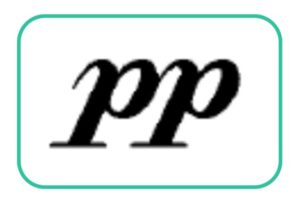
Pianissimo is quieter than piano. It is abbreviated pp in music theory.
Fortissimo (ff) means very loud, louder than forte. Fortissimo is used in a piece of music when the composer wants something to blast at at a high volume.

Changes in dynamics
We can also use dynamic markings to indicate changes in volume levels in a piece of music. There are a handful of symbols we use for these markings. They all have Italian terms as well.
Crescendo
Crescendo is a dynamic used to mark a section that is getting louder. Crescendo could happen gradually or quickly. The crescendo is abbreviated cresc. and looks like a hairpin or a written ’cresc’:

Try to practice this example of a crescendo with the online metronome.

Diminuendo
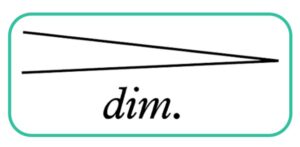
A diminuendo is a gradual decrease in volume. Similarly to the crescendo a diminuendo is written with a hairpin or a written out ‘dim’.
Dynamics chart
Here is a helpful dynamics chart that lays out the range of dynamics in music:

Examples of dynamics in music
Now that you understand what dynamics are, let’s look at how they appear in real music. In the Skoove lessons below, you’ll see some of the most common dynamic markings and how they shape the mood and expression of a piece.
“Cheek To Cheek” – Irving Berlin
“Little Night Music” – W. A. Mozart
“Another Day In Paradise” – Phil Collins
Make your music more dynamic
Dynamics are one of the most important elements of musical expression. They tell us how loudly or softly to play, shaping the mood, intensity and the emotion of a piece. When reading sheet music, always pay close attention to dynamic markings; they are just as important as the notes themselves. With over 400 interactive lessons covering repertoire, technique and musical expression, Skoove can help you develop confident, expressive playing at every stage of your piano journey. Happy playing!
Author of this blog post:
Edward Bond

Eddie Bond is a multi-instrumentalist performer, composer, and music instructor currently based in Seattle, Washington USA. He has performed extensively in the US, Canada, Argentina, and China, released over 40 albums, and has over a decade experience working with music students of all ages and ability levels.
Published by the Skoove team