



Did you know?
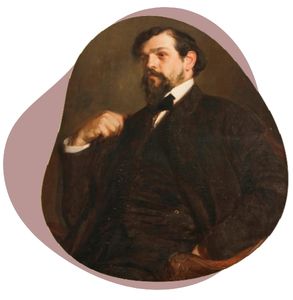
Claude Debussy didn’t write Clair de Lune to sound perfect or strict. He wanted it to feel free, floating and almost improvised like light moving across water. That’s why the music doesn’t like being rushed or played too evenly.
You don’t need to be an advanced pianist to play Clair de Lune. With the right approach, beginners and early intermediate players can learn this piece step by step.
In this guide, we’ll show you how to play Clair de Lune on piano in a clear, practical way, what to focus on, how to practice, and how to avoid common mistakes. If you need some extra help, Skoove is here to guide you through the piece interactively, so you can move from reading to playing with confidence.
Video tutorial
Watching this Clair de Lune piano tutorial gives you a feel for the flow, the hand movement and the calm, floating sound this piece is known for.
As you watch, don’t worry about playing everything yet. Pay attention to:
- how relaxed the hands look
- how slowly the melody moves
- how the left hand supports the music instead of rushing
You can always pause, rewind or just listen once through to get a feel for the Clair de Lune piano notes.
To find the full beginner arrangement of Clair de Lune on piano. Start a free trial today!
- Fall in love with the music - Learn your favorite songs, at a level suitable for you.
- Enjoy interactive piano lessons - Explore courses covering music theory, technique chords & more.
- Get real-time feedback - Skoove's feedback tells you what went well and what needs practice.
What really makes Clair de Lune sound beautiful?
Playing the right notes is only half the job. Clair de Lune sounds magical because of how the notes are played, not how fast.
Here’s what really matters:
- Rhythm: The music flows freely. It’s not strict or mechanical.
- Dynamics: Some notes and phrases are soft and distant, others phrases gently rise.
- Rubato: Small timing changes help the melody breathe.
- Pedaling: Light pedal connects the sound, but too much makes it blurry.
This is why Clair de Lune can feel a bit frustrating for beginners. Many tutorials focus only on notes, but beginners struggle most with expression. The good news? These skills can be learned step by step, just like the notes, and we’ll show you how.
Clair de Lune notes, fingerings and a step-by-step way to learn it
Clair de Lune can feel intimidating because the page looks “busy.” But you don’t learn it all at once. You can learn it in small, easy steps.
Start with the right-hand melody (notes first, then rhythm)
Your first goal is simple: play the melody smoothly, even if it’s slow.
- Find the melody line
- Play it alone, one hand only.
- Don’t worry about the pedal yet.
Fingerings that usually work well here:
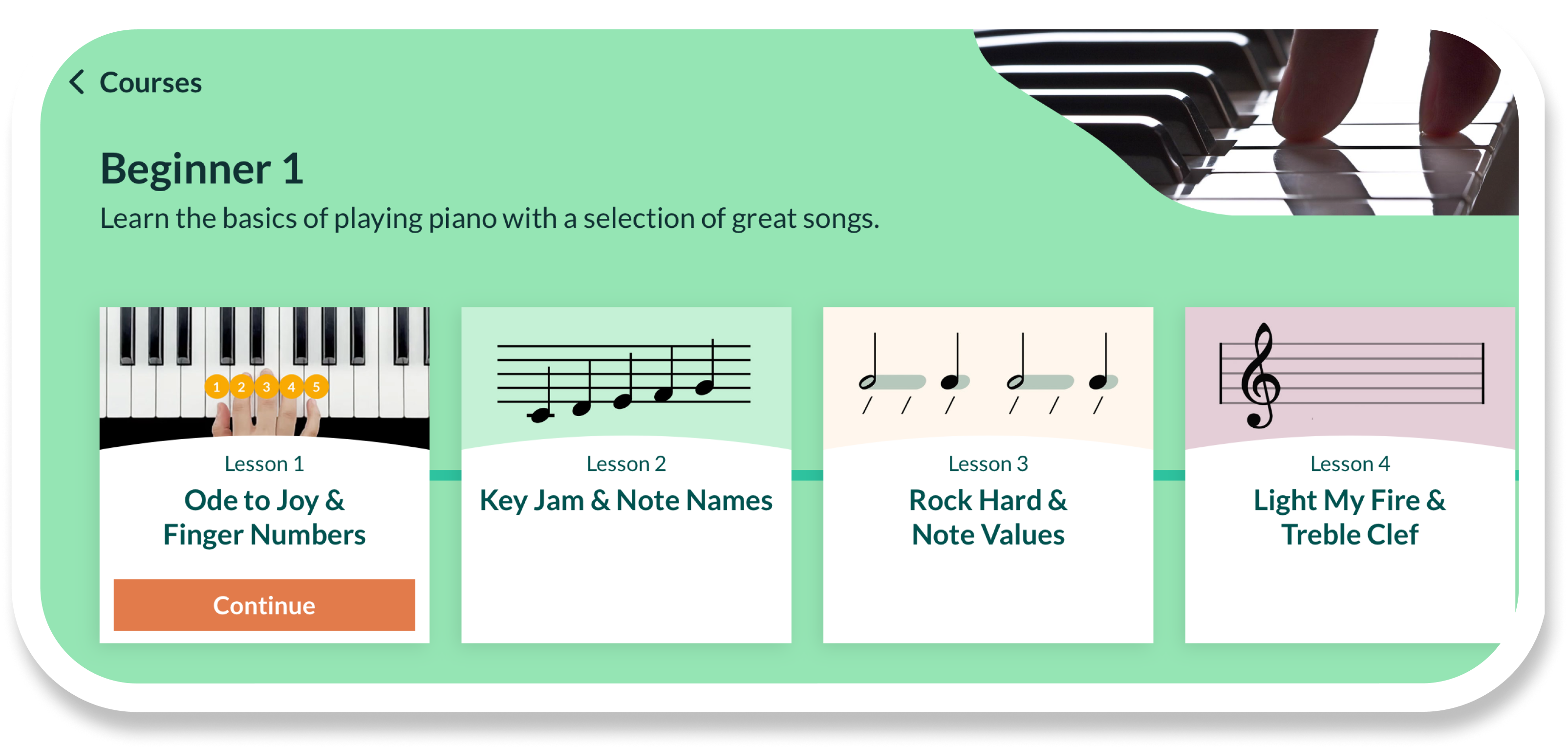
Take a look at the Skoove app or the above image, and you will see handy finger numbers to keep your technique in line. The melody starts with your pinky finger. If you keep your thumb on the C above middle C and relax your fingers, you will be in the correct position to start.
Learn the left hand pattern like a “loop”
The left hand in Clair de Lune often plays broken chords (notes of a chord played one by one).
Treat it like a repeated pattern:
- Play just the left hand very slowly
- Keep it quiet and even (like a soft background)
- Aim for zero tension in your wrist
Simple fingering tip (big help):
- As you can see in our simplified version, you can just start out with root notes. This will help you get started playing a recognisable tune and allow you to work on hand coordination.
Put hands together in “tiny pieces”
Don’t try full lines yet. Combine hands in 2–4 beats at a time:
- Hands together once
- Stop
- Reset
- Repeat
A good rule:
If you make 3 mistakes in a row, go smaller and slower.
Add pedal last (and use less than you think)
Pedal is what makes Clair de Lune sound dreamy, but too much pedal makes it sound muddy.
Start with this beginner-safe approach:
- Change pedal when the harmony changes (when the left-hand chord/note changes)
- If it sounds blurry, hold the pedal for a shorter time
Common beginner mistakes (and how to avoid them)
Playing too fast, too soon
- Clair de Lune is slow for a reason. Rushing makes it tense and messy.
- Fix: Practice at a calm, steady tempo. If it feels too slow you’re probably doing it right.
Using too much pedal
- Beginners often hold the pedal down to hide mistakes but this blurs the sound.
- Fix: Change pedal only when the harmony changes. When in doubt, use less.
Ignoring the left hand
- The left hand shapes the mood. If it’s uneven, the whole piece feels unstable.
- Fix: Practice left hand alone until it feels automatic and relaxed.
Trying to learn the whole piece at once
- This leads to frustration and burnout.
- Fix: Learn small sections and enjoy progress step by step.
Avoid these mistakes, and Clair de Lune becomes far more enjoyable and much easier to learn.
Your first steps into Clair de Lune
Clair de Lune isn’t about playing fast or being perfect. It’s about taking your time, listening closely, and enjoying small progress. If you practice slowly, work in short sections and focus on musical expression, this beautiful piece becomes far more approachable than it first seems.
And you don’t have to figure it out alone. With Skoove, you can practice Clair de Lune step by step, slow things down and get guidance as you play, turning reading into real progress at the piano. Keep up the good work!