



Did you know?
The piano part of “The Scientist” was written before the lyrics.
Coldplay’s singer, Chris Martin, started with a simple piano idea and built the song around it. That’s one reason the piano feels so natural and emotional, it’s not just an accompaniment. It’s the heart of the song.
You can play The Scientist on piano, even as a beginner. The song is slow, the pattern repeats, and you don’t need fast fingers or advanced technique to make it sound beautiful.
In this guide, we’ll walk you through how to play The Scientist on piano step by step. We’ll keep everything simple, clear and practical, so you can go from reading to actually playing the song. If you want extra help, you can practice it inside the Skoove app.
Video tutorial
In this short video, The Scientist is played on piano at a comfortable pace so you can:
- Hear how the melody and chords fit together
- See what each hand is doing
- Get a feel for the overall flow of the song
Don’t worry if it feels like a lot at first. You’re not expected to copy everything right away. Think of this video as a preview, a way to understand what you’re working toward.
To find the full beginner arrangement of The Scientist on piano. Start a free trial today!
Piano notes and fingering for playing The Scientist
First, we’ll play the chords with the right hand, then we’ll add the left-hand bass line. Piece by piece, the song will start to come alive.
Find your starting hand position
We’ll start around D (the D near the center of your keyboard, next to middle C).
Place your right-hand fingers like this:
- 1 = thumb
- 2 = index
- 3 = middle
- 4 = ring
- 5 = pinky
Quick tip: Keep your hand relaxed. Your fingers should feel curved, like you’re holding a small ball.
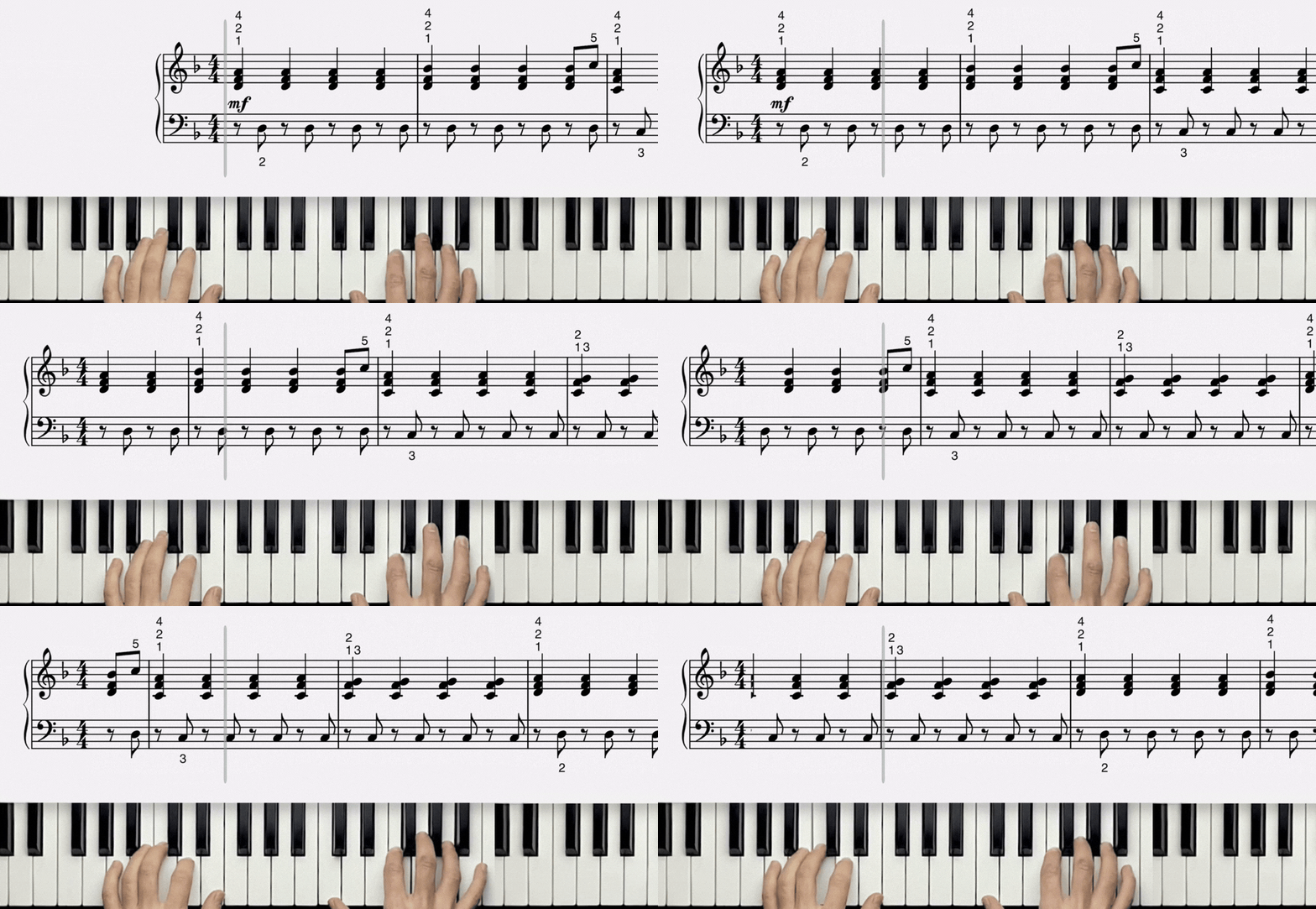
The first part of the right hand of The Scientist uses chords. Get used to finger numbers by pressing the first D minor chord with your thumb, index and ring fingers (1, 2 and 4).
While you play the chords in the right hand the left hand plays the bass line. The first note is a D played with your index finger. Keep an eye on how the notes and fingerings shift throughout the piece.
How to practice the scientist on piano – Lesson plan
Let’s talk about how to practice it so it actually sticks. You don’t need long practice sessions. What matters is how you use your time at the piano.
1. Practice hands separately first (this saves weeks)
This song sounds emotional, but under the hood it’s very repetitive. That’s perfect for learning hands separately.
- Right hand: focus on the melody and smooth chord movement
- Left hand: keep the rhythm steady and calm
Play each hand alone until it feels boring. That’s a good sign, it means your brain is learning.
2. Use the “loop” trick
Instead of playing the whole song, zoom in.
- Choose 2 – 4 bars
- Play them slowly
- Repeat them 3–5 times in a row
If you make a mistake, don’t panic. Stop, reset your hands and try again.
3. Slow feels wrong, but it’s right
Most beginners speed up without noticing. For The Scientist, or any practice, slower always sounds better.
A good rule:
- If it feels too slow, you’re probably doing it right
- If it feels rushed, slow down more
- Make sure The Scientist piano chords sync up with the melody
This song is about control and calm, not speed.
4. Short practice beats long practice
Even 5 minutes a day works if it’s focused.
A simple daily plan:
- 2 minutes: right hand
- 2 minutes: left hand
- 1 minute: hands together (tiny section)
Consistency beats perfection, every time.
5. When you’re ready, practice with guidance
Once the notes feel familiar, practicing with feedback helps a lot.
Inside the Skoove app, you can:
- Play the song step by step
- Slow it down without changing the sound
- Get feedback on timing and accuracy
That way, you’re not guessing, you know what to fix.
You’re closer than you think
Now you know how to play The Scientist on the piano. By practicing in small steps, hands separately, slow tempo, short sections, you can make it sound beautiful, even as a beginner.
When you’re ready to go further, practicing inside the Skoove app can make a big difference. We guide you step by step, help you slow things down, and give you feedback as you play, so you don’t have to guess what to fix next. You don’t need to be advanced to play The Scientist, you just need to take your time and practice. Happy playing!
Author of this blog post:
Susana Pérez Posada

With over seven years in piano education and a deep passion for music therapy, Susana brings a unique blend of expertise to Skoove. A graduate in Music Therapy from SRH Hochschule Heidelberg and an experienced classical pianist from Universidad EAFIT, she infuses her teaching with a holistic approach that transcends traditional piano lessons. In her writings for Skoove, Susana combines her rich musical knowledge with engaging storytelling, enriching the learning experience for pianists of all levels. Away from the piano, she loves exploring new places and immersing herself in a good book, believing these diverse experiences enhance her creative teaching style.
Published by the Skoove team