


Quick answer
The alto clef (C-clef) marks middle C on the middle line of the staff, used mainly for viola, alto trombone, and mandola.
Its notes: F-A-C-E-G on the lines, G-B-D-F in the spaces, bottom to top.
Ledger lines extend the range up or down; recognizing intervals makes them easier to read than note-by-note. Alto clef sits between treble and bass, letting alto-register instruments stay on the staff with minimal ledger lines, and its key signatures use the same sharps and flats, just placed on different lines and spaces.
The alto clef is a musical symbol that places middle C on the third (middle) line of the staff. It is also known as a “C clef” as the centre of the clef always points exactly to middle C. When learning to read sheet music musicians who are used to reading treble or bass clef alto clef can take a little time to adjust to reading alto clef. But don’t worry, Skoove is here to help by breaking the process down into simple steps and providing clear guidance as you learn.
In this article we will explain the key features of the alto clef, how its note layout works and the most effective tips, mnemonics and practice strategies to help you become confident reading it. Let’s get started!
What is the alto clef?
The alto clef is another clef, like the treble clef and bass clef, it exists to notate pitches for instruments that play in the alto register. This register is a bit lower than what you would expect from treble instruments. Also called the viola clef this symbol marks middle C as the third line of the staff and is one of the ‘C clefs’ in the same way that treble clef is a G clef and bass clef is an F clef. The alto clef symbol looks like this:
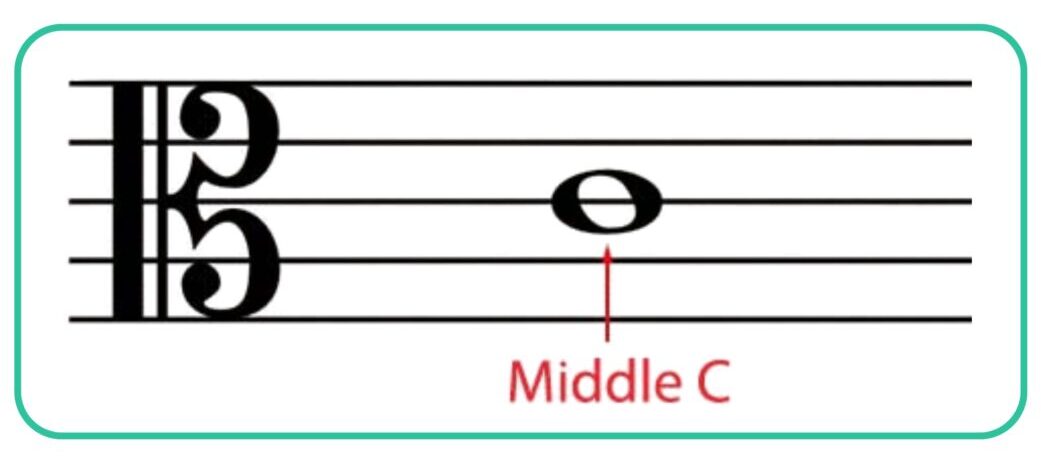
Although less common than the treble and bass, it can be found in music; it is often used in viola and some choral music. In alto clef sheet music this choice of clef is used to convey pitch while keeping music on the staff with minimal ledger lines, making pitches easier to read.
Alto clef notes on the staff: lines and spaces
It can be tricky to learn how to read sheet music with an alto clef staff if you have not tried before. We will look at the notes on the lines and spaces of alto clef and then explore a couple of tricks to make reading alto clef note names easier.
Alto clef lines
The five lines represent:

F – A – C – E – G
As we have seen with the treble clef and bass clef, you can use a mnemonic device to memorize the notes of alto clef.
For the lines use the mnemonic: Fat Alley Cats Eat Gravy
As we can see here the middle line is middle C. This gives you a main reference point for reading alto clef music.
Alto clef spaces
The four spaces represent:

G – B – D – F
You can use the mnemonic: Green Boats Drift Freely.
Notice how, as with all the other clefs, the notes still go in alphabetic order up the staff.
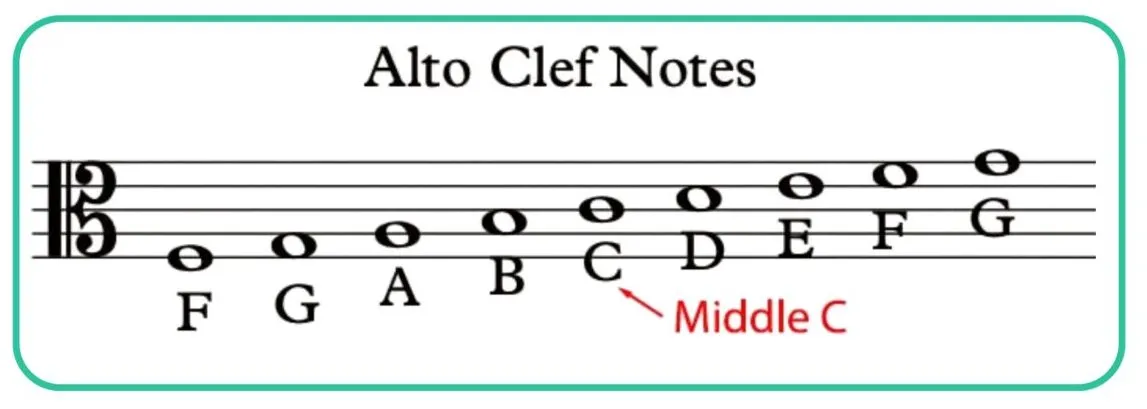
Once you get comfortable with all the alto clef notes on staff it will be as easy as reading bass or treble clefs.
Alto clef ledger lines
Ledger lines are used in music to notate pitches that fall either above or below the staff. You may see some music switch between alto, treble and bass clefs to avoid reading all these ledger lines. Nevertheless, it is useful to know and practice these notes on the ledger lines of alto clef. Check out alto clef notes above and below the staff here:

As with treble and bass clefs the lower on the staff a note is, the lower it sounds and higher above the staff the higher the pitch. For both high and low ledger lines, it helps to understand the piano intervals between notes rather than reading each note individually.
Alto clef notes chart
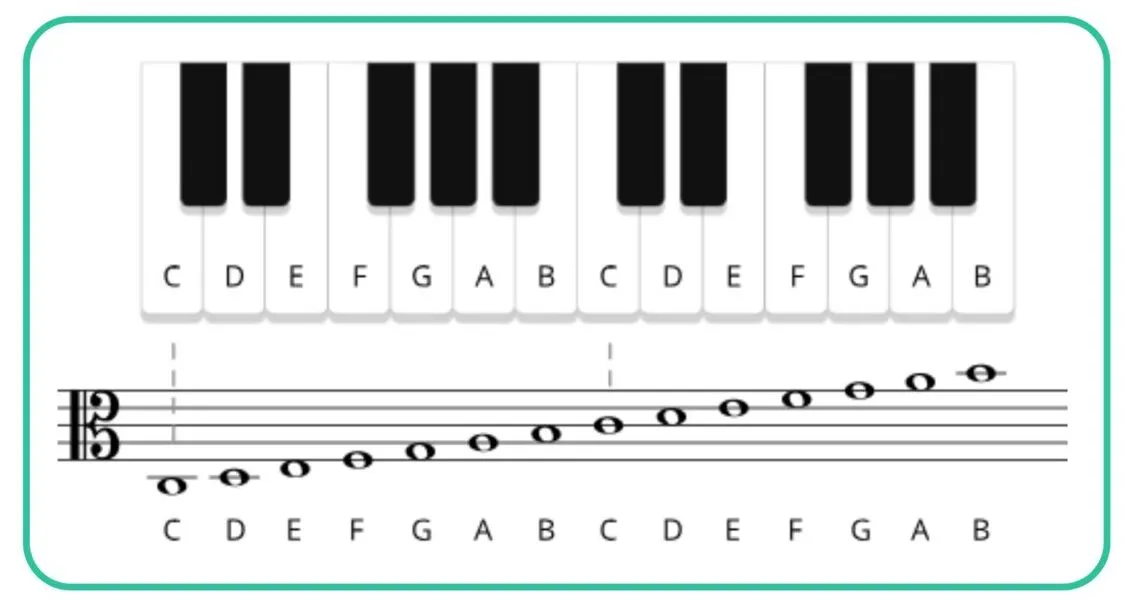
Here’s a alto clef notes chart to help you quickly identify all alto clef notes on piano:
Alto clef vs. treble, bass and tenor clef
The best way to understand any clef and how it relates to other clefs is by knowing where middle C is on the staff. As we have seen, clefs come in different forms and mark different notes in the staff. The alto clef is most associated with the common instrument viola, but it is also used for the alto trombone, viola da gamba and mandola. Clefs are chosen to match an instrument’s pitch range and keep notation readable. Let’s take a look at how these common clefs compare to our alto clef with this handy table.
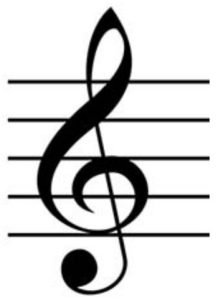 |
Treble clef | The treble clef is a G clef that marks where G is on the staff. |
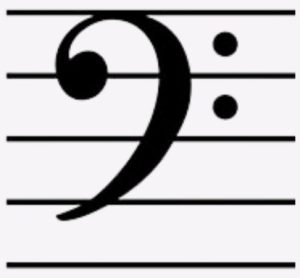 |
Bass clef | The bass clef is an F clef. The two dots mark the F note below middle C. The bass clef is mainly used for lower instruments like bass guitar, cello and left-hand piano parts. |
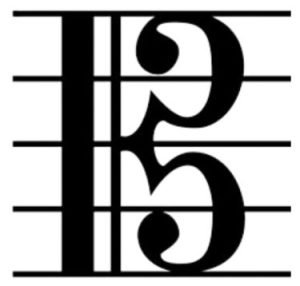 |
Alto clef | The alto clef places C on the middle line; it is used mainly for viola and trombone parts. |
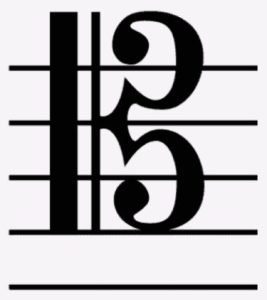 |
Tenor clef | The tenor clef places C one line higher and is used for cello, bassoon and trombone music. |
Alto clef key signatures
Alto clef key signatures use the same sharps and flats as bass and treble clef. However, their positions on the staff are altered because the alto clef lines and spaces represent different notes. For example, F major has one flat (Bb) and G major has one sharp (F#), but you’ll see those accidentals placed on different staff lines than you would in treble or bass clef.


How to practice alto clef on piano?
Now you’re familiar with alto clef and how it works it’s time to learn how to practice the alto clef and incorporate all you’ve learned in this article with these top practice tips.
- Practice daily – Sight-reading improves recognition.
- Use mnemonics – Helpful memory devices reinforce the bass clef lines and spaces.
- Slow and steady – Accuracy before speed, make good eyes to piano connections.
- Recognize intervals – Spot note and interval relationships instead of reading one by one.
- Try bass clef exercises – Strengthen your left hand with targeted drills.
Make sure you put this new approach into practice by taking your best piano posture and playing through some viola sheet music.
Keep playing with Skoove
The alto clef is a wonderful part of music theory. You can transfer all the music you practice with Skoove into alto clef as well for some fun additional practice. Who knows, maybe you will even pick up the viola along the way. With Skoove you will never be short of new lessons, exercises or songs to play. Happy practicing!
FAQ
Explore all types of clefs
Author of this blog post

Eddie Bond is a multi-instrumentalist performer, composer, and music instructor currently based in Seattle, Washington USA. He has performed extensively in the US, Canada, Argentina, and China, released over 40 albums, and has over a decade experience working with music students of all ages and ability levels.
Published by the Skoove team