


Learning your favourite songs on the piano is one of the most fun and rewarding ways to get better as a musician. If you’re just starting out, finding easy piano songs for beginners is a smart move. This collection has tons of easy piano songs picked just for beginners. Everything is clearly organized by style and skill level, so you can always find something that suits you, even if you’re brand new to the piano.
If you want step-by-step guidance with letters that are easy to follow, check out Skoove’s piano learning app. Each lesson slowly guides you through techniques and rhythm, letting you learn easy piano songs at your own pace. No matter what kind of music you love, you’ll find plenty of resources and beginner-friendly songs to help you build your skills, all while playing music you actually enjoy. Let’s get started.
Easy piano songs at a glance
Pop & Ballads
| Song | Why it’s easy | What you’ll learn |
| Hallelujah | Slow tempo | Black keys, expressive playing |
| Lean on Me | Easy melody and steady rhythm | Hand independence, timing |
| American Pie | Familiar chord progression and steady beat | Note transitions, rhythm |
| The Wall | Repetitive rhythmic patterns | Rock rhythms, dynamics |
| Can’t Help Falling in Love | Slow tempo and simple structure | 6/8 meter, hand coordination, musical expression |
| Fly Me to the Moon | Predictable melody with easy jazz harmony | Swing rhythm, scalic melody, smooth transitions |
| Someone Like You | Repeating chord pattern | Left-hand accompaniment, dynamics, expressive phrasing |
| Let It Be | Steady right hand rhythm and chord changes | Hand coordination, popular chord progression |
Movie & TV themes
| Song | Why it’s easy | What you’ll learn |
| Hedwig’s Theme | Memorable melody with simple accompaniment | Articulation, phrasing, dynamics |
| My Heart Will Go On | Slow, lyrical melody with clear phrasing | Pedal control, dynamics, expressive interpretation |
| The Sorcerer’s Apprentice | Built from repeating musical ideas before becoming more complex | Fingerwork, coordination, articulation |
| Interstellar | Repeating ostinato patterns | Pedal control, dynamics, consistency |
| River Flows in You | Flowing arpeggios and repeating patterns | Hand coordination, legato playing |
Classical pieces
| Song | Why it’s easy | What you’ll learn |
| Ode to Joy | Simple, stepwise melody with repeated phrases | Articulation, phrasing, dynamics |
| Für Elise | Memorable repeating opening section | Pedal control, dynamics, expressive interpretation |
| Blue Danube | Built from repeating musical ideas before becoming more complex | Fingerwork, coordination, articulation |
Simple piano songs for kids
| Song | Why it’s easy | What you’ll learn |
| Twinkle, Twinkle, Little Star | Easy melody with a repeating pattern | Finger placement, melody playing, note reading |
| Mary Had a Little Lamb | Uses only a few notes with stepwise movement | Right-hand accuracy, rhythm, note recognition |
| Happy Birthday to You | Short melody with simple chords | Melody playing and basic left-hand chords |
| Jingle Bells | Familiar tune with repeated notes | Rhythm, hand coordination, simple accompaniment |
Easy pop & modern songs
These songs tend to use simple, repeating chord progressions, which makes them approachable for beginners. The right hand usually carries a familiar melody while the left hand keeps a steady, uncomplicated part. Because the tunes are already well-known, it’s easy to hear when something’s off and correct it quickly.
“Hallelujah” by Leonard Cohen

Leonard Cohen spent years writing “Hallelujah”, reportedly drafting around 80 verses before settling on the final version. Surprisingly, the song was not a commercial success when it was first released in 1984. Today, it is considered one of the most covered and beloved songs in modern music.
| Difficulty level | Beginner |
| Key(s) | C major (Gb major Skoove lesson) |
| Meter | 4/4 |
| Technique | Single note in each hand; coordination |
| Try Adding | Sustain pedal for more atmosphere |
Leonard Cohen’s “Hallelujah” is widely regarded as one of the best easy piano church songs for beginners. Its simple chord progressions and gentle melody make it accessible for those just starting out.The piece is in the key of G♭ major, which introduces learners to the black keys, an important technical step for developing keyboard familiarity beyond the white keys. Learning this timeless ballad strengthens fundamental piano techniques and also expands the player’s musical range and confidence.
“Hallelujah” piano note letters:
Bb Db Eb Eb
Eb Db Bb Bb
Bb Db Eb Eb
Eb Db Bb Bb
Bb Db Eb Eb
Eb Db Bb Bb
Bb Db Eb Eb
Eb Db Bb Ab
“Lean on Me” by Bill Withers
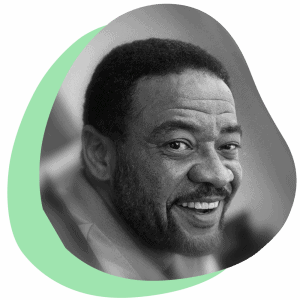
Bill Withers wrote “Lean on Me” as a tribute to the supportive community he grew up in in West Virginia. The song reminds us that everyone needs help from others at some point in life. Released in 1972, it quickly became an anthem of friendship and resilience.
| Difficulty level | Beginner |
| Key(s) | C major |
| C major | 4/4 |
| Technique | Independent playing in each hand |
| Try Adding | Dynamics to highlight the interesting movement between your hands |
“Lean on Me” piano note letters:
C C D E F
F E D C C D E E
D C C D E F
F E D C
C D E B C
“American Pie” by Don McLean

Don McLean released “American Pie” in 1971, filling it with references to music and culture from the 1950s and 1960s. The phrase “the day the music died” refers to the tragic 1959 plane crash that claimed the lives of Buddy Holly, Ritchie Valens and The Big Bopper. McLean has intentionally left much of the song open to interpretation, leading to decades of discussion about its meaning.
| Difficulty Level | Beginner |
| Key | C major |
| Meter | 4/4 |
| Technique | Staying focused through repetitive melody |
| Try Adding | Articulation to make the rhythm more interesting |
This piece is a classic folk rock song that’s surprisingly easy, making it fantastic to add to your repertoire. This song is memorable and flows smoothly, typically played with the right hand while the left hand supports with simple chords or bass note. This arrangement allows you to focus on capturing the storytelling and emotional depth of the song without being overwhelmed by complex technical demands.
“American Pie” piano note letters:
G F F F E D C D
G G G G G G
F F F F
E D C D
“The Wall” by Pink Floyd

“The Wall” comes from Pink Floyd’s famous concept album of the same name, which tells the story of a fictional rock star who builds an emotional wall around himself. Much of the story was inspired by bassist Roger Waters’ own experiences with fame and loss.
| Difficulty level | Beginner |
| Key(s) | D major |
| Meter | 4/4 |
| Technique | Hand coordination |
| Try Adding | Variation to the pedal note articulation |
This classic tune is arranged with the beginners in mind so the right hand can lead with the melody, a sequence that’s both familiar and satisfying to play, even for those just starting out. By isolating the main theme in your right hand, you get to focus on crafting musical phrases and mastering the song’s rhythmic feel. This helps build both confidence and a sense of accomplishment early on.
The left hand is simple, anchoring the arrangement with a repeated pedal note pattern. It’s this clever use of repetition that transforms what could be a complicated rock anthem into an accessible, rewarding experience for piano learners, making sophisticated music feel perfectly within reach as you build your skills.
“The Wall” piano note letters:
D E F E D E F E
D E F E D E F
(Left hand repeated Ds)
“Can’t Help Falling in Love” by Elvis Presley

Elvis Presley recorded “Can’t Help Falling in Love” for the 1961 film Blue Hawaii. The melody is based on an 18th-century French love song called Plaisir d’amour. Its gentle tune and heartfelt lyrics quickly made it one of Elvis’s most iconic performances.
| Difficulty level | Intermediate |
| Key(s) | C major |
| Meter | 6/8 |
| Technique | Melody with bass notes |
| Try Adding | Dynamics to convey more feeling |
“Can’t Help Falling in Love” by Elvis Presley is a beautiful and accessible choice for beginner piano learners looking to play easy popular piano songs that are emotional and timeless. The arrangement places the well-known melody in the right hand, allowing you to shape the tune expressively while keeping the left hand simple with broken chords or repeated patterns.
“Can’t Help Falling in Love” piano note letters:
C G C D E F E D
G A B C D E F E D C
(REPEAT)
“Fly Me to the Moon” by Bart Howard

Written by Bart Howard in 1954, “Fly Me to the Moon” was originally titled In Other Words. Frank Sinatra’s famous recording helped turn it into one of the greatest jazz standards of all time. The song became closely linked with the Space Age and was even played during NASA’s Apollo missions to the Moon. Its smooth melody and timeless lyrics continue to charm audiences around the world.
| Difficulty level | Intermediate |
| Key(s) | C major |
| Meter | Common time |
| Technique | Seventh chords |
| Try Adding | Rhythmic variation to the melody for a jazzy feel |
“Fly Me to the Moon” stands as one of the most enduring easy jazz piano songs. Its inviting melody is supported by an accessible arrangement that introduces basic seventh chords, essential for building a foundation in jazz harmony. Beyond chord work, this tune encourages scalic playing, which helps finger agility and reinforces the connection between scales and harmonies. “Fly Me to the Moon” allows beginners to explore rhythmic nuance and dynamic phrasing unique to jazz. Incorporating this classic into your repertoire will expand your musical confidence and open the door to more challenging jazz pieces in the future.
“Fly Me to the Moon” piano note letters:
C B A G F G A C B A G F E
A G F E D E F A G# F E D C
C# D A A C B G
“Someone Like You” by Adele

Written by Adele and Dan Wilson, “Someone Like You” was inspired by the end of a relationship and resonated with millions around the world, topping charts in numerous countries. Its emotional honesty has made it a modern piano favourite.
| Difficulty level | Intermediate |
| Key(s) | A major |
| Meter | 4/4 |
| Technique | Left hand power chords |
| Try Adding | Pedaling for more expression |
“Someone Like You” is one of the most rewarding songs for beginner pianists because of its well known melody and easy chords. Once you become comfortable with the left-hand pattern, you can focus on bringing out the beautiful melody and expressive dynamics that make the piece so memorable. Playing with a gentle touch and careful timing helps capture the emotion that has made this song a modern classic.
“Someone Like You” piano note letters:
E C# B A E E
B A E E C#
“Let It Be” by The Beatles

“Let It Be” was inspired by a dream about Paul McCartney’s mother during a difficult period for the band. Released in 1970, its hopeful message and timeless melody have made it one of The Beatles’ most beloved songs.
| Difficulty level | Advanced |
| Key(s) | C major |
| Meter | 4/4 |
| Technique | Right and left hand chords |
| Try Adding | Rubartos for a more interesting flow |
“Let It Be” is an excellent song for beginner pianists thanks to its memorable melody and straightforward chord progression. Once you feel confident with the left-hand accompaniment, focus on playing the melody smoothly and using gentle dynamics to bring out the song’s uplifting character. Adding the sustain pedal sparingly will help create the rich, expressive sound that has made this classic a favourite for generations.
“Let It Be” piano note letters:
G G G G A E G G C D
D E E D D C C
E E F E E D E D C
Easy iconic movie & TV themes
Film and TV scores are often built around a few strong, memorable motifs rather than complex arrangements. This makes simplified versions still feel emotionally powerful even at a beginner level. They’re also useful for practicing specific techniques, like steady bass patterns or simple rhythmic figures.
“Hedwig’s Theme” by John Williams

“Hedwig’s Theme” is perhaps the most well known song from the Harry Potter film series. The piece was originally composed by the famous film composer John Williams and featured in the first Harry Potter film, The Philosopher’s Stone. The composition has gone on to be featured in every Harry Potter film in different ways and serves as a motif for the wizarding world at large.
| Difficulty Level | Begginer |
| Key | E minor |
| Meter | 3/4 |
| Technique | Left hand pedal note |
| Try Adding | Articulation for interest |
“Hedwig’s Theme” introduces pianists to expressive melodies, changing dynamics and a slightly more adventurous harmonic feel. While the iconic opening is instantly recognisable, much of the piece is built from manageable phrases that help develop musical expression and finger control. Learning this theme is a fantastic way to bring a touch of movie magic to your piano repertoire.
“Hedwig’s Theme” piano note letters:
B E G F# E B A F#
E G F# D# F B
“My Heart Will Go On” by Celine Dion

Although it became Celine Dion’s signature song, she was initially reluctant to record “My Heart Will Go On”. Composer James Horner secretly created a demo that eventually convinced everyone involved. After appearing in the blockbuster film Titanic in 1997, the song became a worldwide phenomenon.
| Difficulty level | Beginner |
| Key(s) | C major |
| Meter | 4/4 |
| Technique | Melody with bass notes. |
| Try Adding | Feel and articulation to the bass movement |
“My Heart Will Go On” is instantly recognisable as the leading theme from Titanic and offers an enjoyable learning experience for beginner piano players. The song’s approachable melody is both emotional and simple, inviting players to consider expressive phrasing from the start. This piece gives learners the chance to work on coordination and hand independence without overwhelming complexity. It also introduces some dotted rhythms and dynamic contrasts, essential elements for developing musicality.
“My Heart Will Go On” piano note letters:
C C C C B C C B C D E D
C C C C B C D G
C C C C B C C B C D E D
C C C C B C D G
“The Sorcerer’s Apprentice” by Paul Dukas
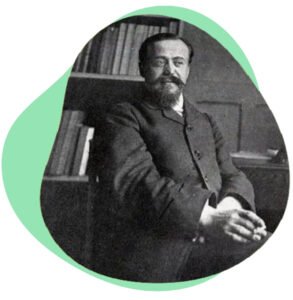
Paul Dukas composed “The Sorcerer’s Apprentice” in 1897, inspired by a poem by the German writer Johann Wolfgang von Goethe. The story follows a young apprentice who uses magic he doesn’t fully understand, with chaotic consequences. The music became world-famous after Disney featured it in Fantasia with Mickey Mouse in the starring role.
| Difficulty Level | Beginner |
| Key | A minor |
| Meter | 3/4 |
| Technique | Accidentals |
| Try Adding | Articulation for a cheeky interesting feel |
“The Sorcerer’s Apprentice” might not be the first song you consider for easy piano, but it’s a wonderfully engaging choice that quickly feels rewarding under your fingers. Not only is this tune approachable, it’s also perfect for experimenting with cheeky articulation and expressive details. Each phrase invites you to add your own character, whether you want to highlight the sneaky feel of the apprentice or the magical whirlwind of the enchanted broom. Working on “The Sorcerer’s Apprentice” is a fun way to build your skills with dynamics, articulation and keyboard navigation, making it an imaginative and skill-building addition to any early piano repertoire.
“The Sorcerer’s Apprentice” piano note letters:
A E E F# G#
A C A C B A G# A
C A C B A G# A
“Interstellar” by Hans Zimmer

Director Christopher Nolan asked Zimmer to compose the music before revealing the film’s plot, resulting in a deeply emotional score centred around themes of family, time and exploration.
| Difficulty Level | Intermediate |
| Key | A minor |
| Meter | 3/4 |
| Technique | Ostianatto (repeated patterns) |
| Try Adding | Pedal to create a rich, cinematic sound |
The “Interstellar” theme relies on repeating patterns and gradual dynamic changes rather than fast or flashy playing. This makes it an excellent piece for developing control and expressive use of the sustain pedal. As the music builds layer by layer, you’ll learn how small changes in volume and phrasing can create a powerful emotional impact.
“Interstellar” piano note letters:
A E E (8VE) E A E
(repeated pattern)
“The River Flows In You” by Yiruma

South Korean pianist and composer Yiruma released “River Flows in You” in 2001, and it quickly became one of the world’s most popular contemporary piano pieces. Although it is often mistakenly associated with the Twilight films, it was never part of the official soundtrack.
| Difficulty Level | Intermediate |
| Key | A minor |
| Meter | 4/4 |
| Technique | Arpeggiated left hand |
| Try Adding | Rubarto for motion |
“River Flows in You” combines a memorable melody with gentle broken chords that feel natural under the fingers once learned. The repeating patterns help improve hand coordination while encouraging relaxed playing and even rhythm. It’s an ideal piece for developing expressive phrasing and creating a calm, lyrical performance.
“The River Flows in You” piano note letters:
C B C B C G C F E F G E D
C B C C D E E F G F E D
Easy classical pieces
Classical pieces are great for building core piano technique, including hand coordination, timing, and dynamic control. Many famous works can be learned in simplified form, focusing on just the most iconic sections. This makes them rewarding early wins that also prepare you for more advanced playing later.
“Ode to Joy” by Ludwig van Beethoven
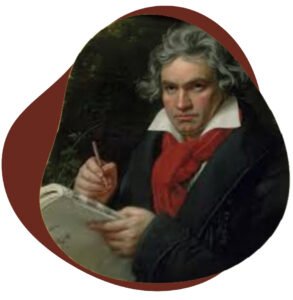
“Ode to Joy” is the famous melody from the final movement of Beethoven’s Ninth Symphony, first performed in 1824. The music sets Friedrich Schiller’s poem celebrating unity, freedom and the brotherhood of humanity. Its uplifting melody has inspired audiences for more than 200 years.
| Difficulty level | Beginner |
| Key(s) | C major |
| Meter | 4/4 |
| Technique | Stepwise melody |
| Try Adding | Articulation for more interest |
“Ode to Joy” uses just five notes total, proof that some of the most famous melodies in music are also some of the simplest to learn. The tune is mostly stepwise, making it easy to play without large hand movements, while the left hand can begin with simple chords or single bass notes. As you learn the piece, you’ll develop hand coordination, phrasing and dynamic control while playing one of the most famous melodies ever written.
“Ode to Joy” piano note letters:
E E F G G F E D
C C D E D D
E E F G G F E D
C C D E D C C
“Fur Elise” by Ludwig van Beethoven
“Für Elise” is one of Beethoven’s best-known piano works, although he never published it during his lifetime. The manuscript was discovered many years after his death and no one knows for certain who ‘Elise’ really was. Some historians believe the title may even have been misread from Beethoven’s original handwriting. Today, it is one of the first classical masterpieces many pianists aspire to learn.
| Difficulty Level | Intermediate |
| Key | A Minor |
| Meter | 6/8 |
| Technique | Right hand melody, left hand broken chords |
| Try Adding | Coordination of dynamics between hands |
“Für Elise” is one of the most beloved and instantly recognisable pieces in classical piano repertoire, making it an excellent choice for beginners. Many easy arrangements focus on the opening theme, where the right hand plays an a-minor motif while the left hand supports with simple bass notes, helping piano learners build coordination without feeling overwhelmed.
Learning “Für Elise” early in your piano journey can be deeply rewarding because it balances approachable technical demands with rich emotional content. Over time, mastering this piece builds finger independence and introduces phrasing subtleties that prepare you for more advanced classical works, all while connecting you with a centuries-old masterpiece.
“Fur Elise” piano note letters:
E D# E D# E B D C A
C E A B E G# B C
E (8VB) E D# E D# E B D C A
C E A B E C B A
“Blue Danube” by Johann Strauss II
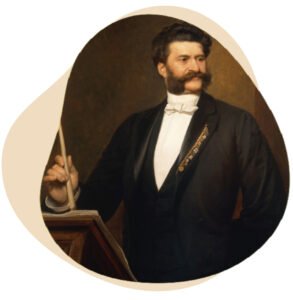
Johann Strauss II originally composed the “Blue Danube” as a choral waltz, but it became famous as an orchestral work. Its graceful melody quickly earned it the nickname “the king of waltzes.” The piece reached a whole new audience after being featured in Stanley Kubrick’s film 2001: A Space Odyssey. Today, it is one of the most recognisable pieces of classical music ever written.
| Difficulty Level | Beginner |
| Key | C major |
| Meter | 3/4 |
| Technique | Playing legato |
| Try Adding | An accented first beat to feel like a waltz |
The “Blue Danube” by Johann Strauss II is a timeless waltz that brings elegance and charm to beginner piano players. Its easy flowing melody and gentle 3/4 rhythm create a graceful dance feel.
The Blue Danube offers a wonderful opportunity to practice smooth phrasing and steady rhythm, essential skills for any piano player. The steady pulse of the waltz encourages control over timing, while the clear melodic lines let you explore expressive dynamics and subtle articulation.
“Blue Danube” piano note letters:
C C E G G G G E E
C C E G G G G F F
Easy piano songs for kids
These easy piano songs for kids use short, repetitive melodies that are easy to remember and play. They typically keep one hand on the main tune while the other adds very basic support. This structure helps children build coordination and confidence without feeling overwhelmed.
“Twinkle, Twinkle, Little Star” by Jane Taylor
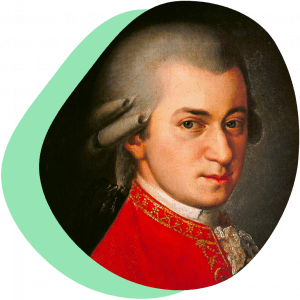
The words to “Twinkle, Twinkle, Little Star” come from a poem written by English author Jane Taylor in 1806. The melody, however, is much older and comes from a traditional French tune called Ah! vous dirai-je, Maman. The same melody is also used for the “Alphabet Song” and “Baa, Baa, Black Sheep”. Its simple structure makes it one of the first songs children learn around the world.
| Difficulty Level | Beginner |
| Key | C major |
| Meter | 4/4 |
| Technique | Melody with bass notes |
| Try Adding | Sustain pedal for smoother transitions |
“Twinkle, Twinkle, Little Star” by Jane Taylor is a beloved easy beginner’s piano song that perfectly blends simplicity with musical charm. Often taught using just the right hand at first, this tune helps new players develop basic finger independence and note recognition, while the straightforward rhythm supports steady timing and coordination. “Twinkle Twinkle Little Star” uses only six notes, this repetitive melody stays within a small five-finger range, making it ideal for those taking their very first steps on the keyboard.
“Twinkle Twinkle Little Star” piano note letters:
C C G G A A G
F F E E D D C
G G F F E E D
G G F F E E D
C C G G A A G
F F E E D D C
“Mary Had a Little Lamb” by Sarah Josepha Hale
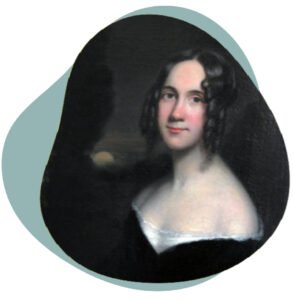
The poem “Mary Had a Little Lamb” was inspired by a real girl named Mary Sawyer and her pet lamb, which reportedly followed her to school one day. Sarah Josepha Hale wrote the famous poem in 1830, and it quickly became a favourite with children. The melody is simple and easy to remember, making it perfect for beginner musicians. It remains one of the most widely taught songs in early music education.
| Difficulty Level | Beginner |
| Key | C major |
| Meter | 4/4 |
| Technique | Playing legato |
| Try Adding | More varied phrasing with the legato feel |
This piece’s melody is straightforward and memorable, usually played with the right hand within a limited range, which helps new pianists build finger strength and accuracy without feeling overwhelmed. Its steady rhythm and repetitive pattern offer excellent practice for developing consistent timing and coordination.
As players become more comfortable, the left hand can be introduced with simple single notes or basic chords to accompany the tune, fostering hand independence and a growing understanding of harmony. Whether you enjoy classical pieces or folk and rock songs this song offers a gentle, rewarding introduction that’s approachable yet meaningful.
“Mary Had a Little Lamb” piano note letters:
E D C D E E E
D D D
E G G
E D C D E E E
D D E D C
“Happy Birthday to You” by Patty and Mildred J. Hill

“Happy Birthday to You” began life as a classroom song called Good Morning to All, written by sisters Patty and Mildred Hill in the 1890s. Over time, people adapted the melody with birthday lyrics, creating the version we know today. It is now one of the most recognised songs in the English-speaking world. For many years, it was also the subject of a famous copyright dispute before entering the public domain.
| Difficulty Level | Beginner |
| Key | C major |
| Meter | 3/4 |
| Technique | Melody leaps |
| Try Adding | Dynamics when repeating for a more exciting performance |
“Happy Birthday to You” by Patty and Mildred J. Hill is a simple and universally loved tune that makes for a perfect easy piano song to play. Its familiar melody is not hard to learn, helping new players build confidence while practicing steady rhythm and hand coordination. This cheerful song invites expressive playing, making it a joyful introduction to piano for learners of all ages.
“Happy Birthday to You” piano note letters:
G G A G C B
G G A G D C
G G G(8VE) E C B A
F F E C D C
“Jingle Bells” by James Pierpont
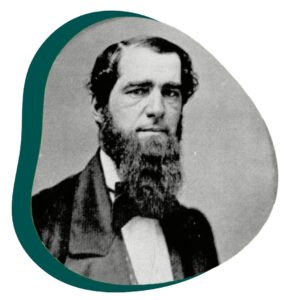
James Pierpont wrote “Jingle Bells” in 1857, and despite its Christmas reputation, it was originally intended for Thanksgiving celebrations. In 1965, it became the first song ever broadcast from space when astronauts aboard Gemini 6 playfully performed it. Its catchy melody has made it a holiday favourite across the globe.
| Difficulty Level | Beginner |
| Key | C major |
| Meter | 4/4 |
| Technique | Playing with one hand |
| Try Adding | Articulation to get that festive feel |
“Jingle Bells” by James Pierpont is a timeless favorite that nearly everyone recognizes instantly. Many beginner arrangements emphasise the memorable right-hand melody paired with simple left-hand accompaniments, allowing learners to enjoy playing this festive classic without being overwhelmed by technical challenges.
The song’s bright, repetitive motifs help build finger dexterity and timing, while its joyful spirit encourages expressive phrasing that brings warmth and energy to your playing. “Jingle Bells” is a perfect easy piano song to brighten your piano journey and share the festive cheer.
“Jingle Bells” piano note letters:
E E E E E E
E G C D E
F F F F F E E E E D D E D G
How to play easy songs on piano?
Tackling a variety of easy songs is one of the most enjoyable ways to build confidence at the piano. As you begin, focus on songs with straightforward rhythms and manageable hand coordination. You should aim to practice for 15 to 20 minutes daily to improve faster on piano. Most importantly, when practicing choose beginner songs you genuinely enjoy, as you’ll be much more motivated to keep practising and progressing.
Here are our top tips for successful beginner practice:
- Start with simple melodies. Songs with fewer notes and predictable rhythms, such as American Pie or Twinkle, Twinkle, Little Star, are easier to learn and memorise.
- Practice hands separately first. Master each hand on its own before putting them together, especially in pieces like Für Elise or Can’t Help Falling in Love.
- Play slowly before building up speed. Accuracy is far more important than tempo in the early stages. Speed will come naturally with consistent practice.
- Break songs into small sections. Rather than learning an entire piece at once, practise one phrase or a few bars at a time until they feel comfortable.
- Repeat the tricky parts. Spend extra time on difficult transitions instead of always starting from the beginning of the song.
- Keep a steady beat. As you become more confident, practise with a metronome or an app like Skoove to improve your timing and rhythm.
- Watch your hand position. Relax your wrists, curve your fingers naturally and avoid unnecessary tension while playing.
- Look ahead while reading music. Try to keep your eyes one or two notes ahead to make your playing smoother and reduce hesitations.
- Listen to professional recordings. Hearing how a piece should sound will help you understand its rhythm, phrasing and musical expression.
- Add your own musical expression. Once you’ve learned the notes, experiment with dynamics, phrasing and articulation to make each performance your own.
Where to go after mastering easy piano songs with letters?
Once you’re comfortable with these easy piano songs to learn, you’re ready to explore even more exciting music. Look for new songs by considering factors like hand independence, the number of notes in each hand and overall rhythmic complexity. With these tips, finding beginner sheet music becomes a breeze and before long, you’ll be prepared to take on intermediate works and explore fresh challenges.
Skoove piano learning app offers hundreds of easy and inspiring songs, from classical favorites like Bach to iconic hits from The Beatles. Whether you want to master the basics or take on intermediate repertoire, you’ll find plenty of opportunities to grow. Now that you’ve begun your journey with easy piano songs, remember that it’s just the start- the more you play, the more enjoyable your musical adventure becomes.
Enjoy the process, keep exploring and happy practicing!
Start playing favourite easy piano songs
Author of this blog post:

Eddie Bond is a multi-instrumentalist performer, composer, and music instructor currently based in Seattle, Washington USA. He has performed extensively in the US, Canada, Argentina, and China, released over 40 albums, and has over a decade experience working with music students of all ages and ability levels.
Published by the Skoove team